

Jun 9, 2026
South Jersey Personal Injury Risks During Major Road and Utility Construction
Long-term projects, such as Moorestown’s water main work, significantly alter how a town feels day to day. Familiar streets become congested, detours become routine, and everyone – drivers, pedestrians, and cyclists – must learn new patterns simultaneously. When work zones shift block by block, accidents become more likely, especially during the initial adjustment periods. If someone gets hurt, consulting with an attorney can help determine the next steps and protect their interests.
Major Infrastructure Projects Change Everyday Traffic Patterns
Large public works projects affect more than underground pipes and pavement. They change how people move through town on a daily basis. In Moorestown, the water main replacement project has already reshaped traffic along Kings Highway and West Main Street, and the next phase will bring similar disruption to Chester Avenue.
With a project like this, detours and work zones can shift week to week, and sometimes day to day, depending on the weather and where crews are working. This means the “usual way” through town stops being reliable. Many commuters will face reroutes, and the side streets will likely experience more traffic than they can sustain.
As traffic backs up or shifts to new streets, drivers start reacting instead of planning. People squeeze into gaps they would usually skip, brake late, or merge abruptly, and that is often when an otherwise normal drive ends in a crash.
Why the Moorestown Water Main Project Creates New Safety Hazards
The second phase of Moorestown’s water main project is designed to address the town’s deteriorating water infrastructure. While replacing the century-old system is crucial to the health and safety of the town’s residents, the work may create some significant safety concerns.
Phase 2 will focus on Chester Avenue from Main Street to Bridgeboro Road, with work taking place near homes and driveways.
These types of construction zones change the feel and traffic patterns of roadways, and many people do not understand them until they are physically on the road. Even subtle lane changes can create situations where cars and trucks end up closer to parked vehicles.
That squeeze can lead to side swipes, clipped mirrors, and sudden braking when someone realizes too late that the lane is not where they expected it to be.
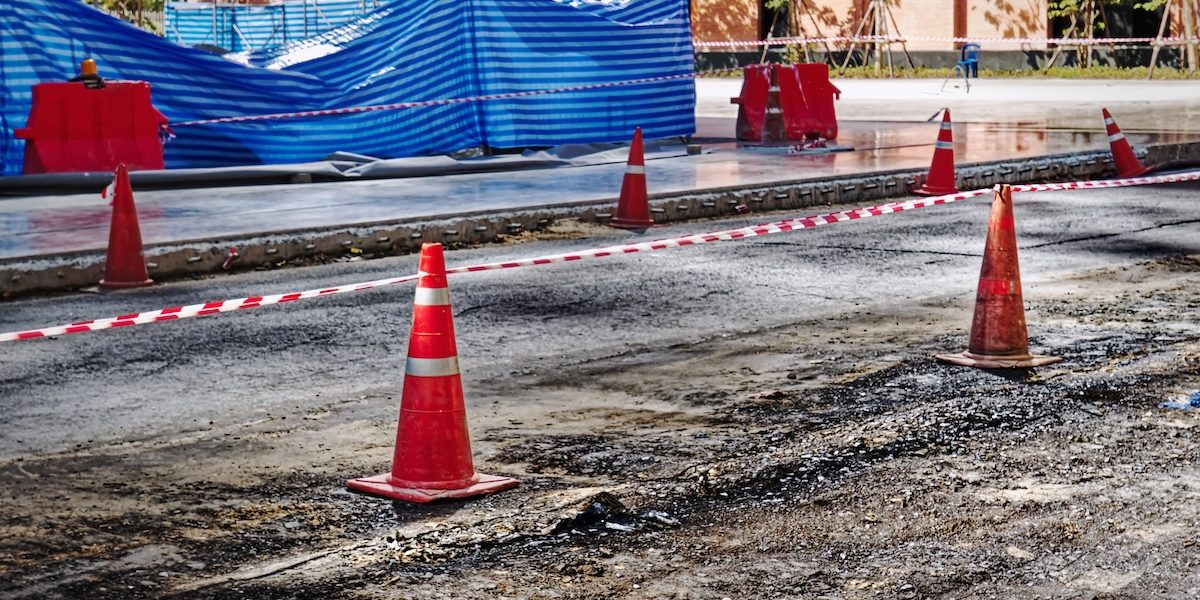
Road conditions can change fast in a utility project, and that can catch people off guard. Steel plates, patched asphalt, and uneven edges can make a car stop or handle differently, especially when it is raining or getting dark. Driveways can turn into blind spots too, since fencing, equipment, and parked work vehicles can block sightlines for residents pulling out and for drivers passing through. Over weeks and months, those small shifts add up, and even a “minor” low-speed impact can still lead to injuries.
Construction Zones and the Rise in Traffic Accidents
Work zones are a common source of traffic accidents, and long-term projects increase exposure to them. Drivers may struggle to interpret temporary signs or detours, especially if they change frequently. Uneven pavement and steel plates can affect braking and vehicle control. Reduced lane width leaves less room for error when cars pass.
Rear-end collisions often happen when traffic slows unexpectedly near a work zone. Side-impact crashes can occur when drivers misjudge merges or turn around barricades. These accidents tend to happen quickly, often before a driver fully realizes the road layout has changed.
In a residential area like Chester Avenue, these risks affect families, older residents, and children walking to nearby destinations. Cyclists sharing the road may encounter narrowed lanes or debris that pushes them into traffic. When drivers are already distracted by signs and lane changes, vulnerable road users are at greater risk.
Common Personal Injury Claims Linked to Road and Utility Projects
Accidents on construction projects often result in a range of personal injury claims. Motor vehicle crashes are the most obvious, including rear-end and side-impact collisions near work zones. Pedestrians may suffer injuries when struck by vehicles or when navigating unsafe temporary walkways. Cyclists can be hit or forced to crash due to narrowed lanes or poor road conditions.
Slip-and-fall injuries are also common, especially where pavement has been disturbed or temporary patches have been installed. Injuries can happen near curb stops, trenches, or uneven surfaces created during utility work. Each of these scenarios raises questions about responsibility and safety measures.
Liability in construction-related accidents is challenging. While a negligent driver may be at fault, there are often other liable parties in these cases. For example, contractors and town officials might be responsible for failing to maintain safe work zones. However, pursuing claims against municipalities involves strict adherence to specific statutory rules. Additionally, in some cases, multiple factors overlap.
A driver’s mistake, combined with poor signage or unsafe conditions, can contribute to an accident. Sorting through these details requires careful review of the scene, the project scope, and the work’s timing.
Contact a South Jersey Personal Injury Lawyer at Petrillo & Goldberg Today
Although infrastructure upgrades improve communities over time, they also create real risks for people living and traveling in the area. If you were recently injured during the Moorestown water main project or another South Jersey construction project, legal support is available at Petrillo & Goldberg. Contact us today to learn more about your options. The firm has years of experience representing injured individuals throughout South Jersey. Contact us today at (856) 486-4343 to discuss your situation.