

Jan 22, 2026
Rise in E-Bike Crashes Prompts Some to Call for Greater Safety Regulations
Electric assist bicycles, or “e-bikes,” use battery power to help the rider propel the bike. They have become popular as a low-cost means to help bicyclists travel greater distances, making commutes easier. Since 2020, more e-bikes have been sold in the US than electric vehicles.
E-bikes pose several dangers, however. Their heavier weight and ability to reach higher speeds require riders to possess more skill to operate them safely. In a crash, injuries may be more severe.
If you’ve been injured in an e-bike crash, speak to an experienced bicycle injury attorney today. The team at Petrillo and Goldberg assists injured clients in Pennsylvania and New Jersey.
E-Bike Crashes Are on the Rise
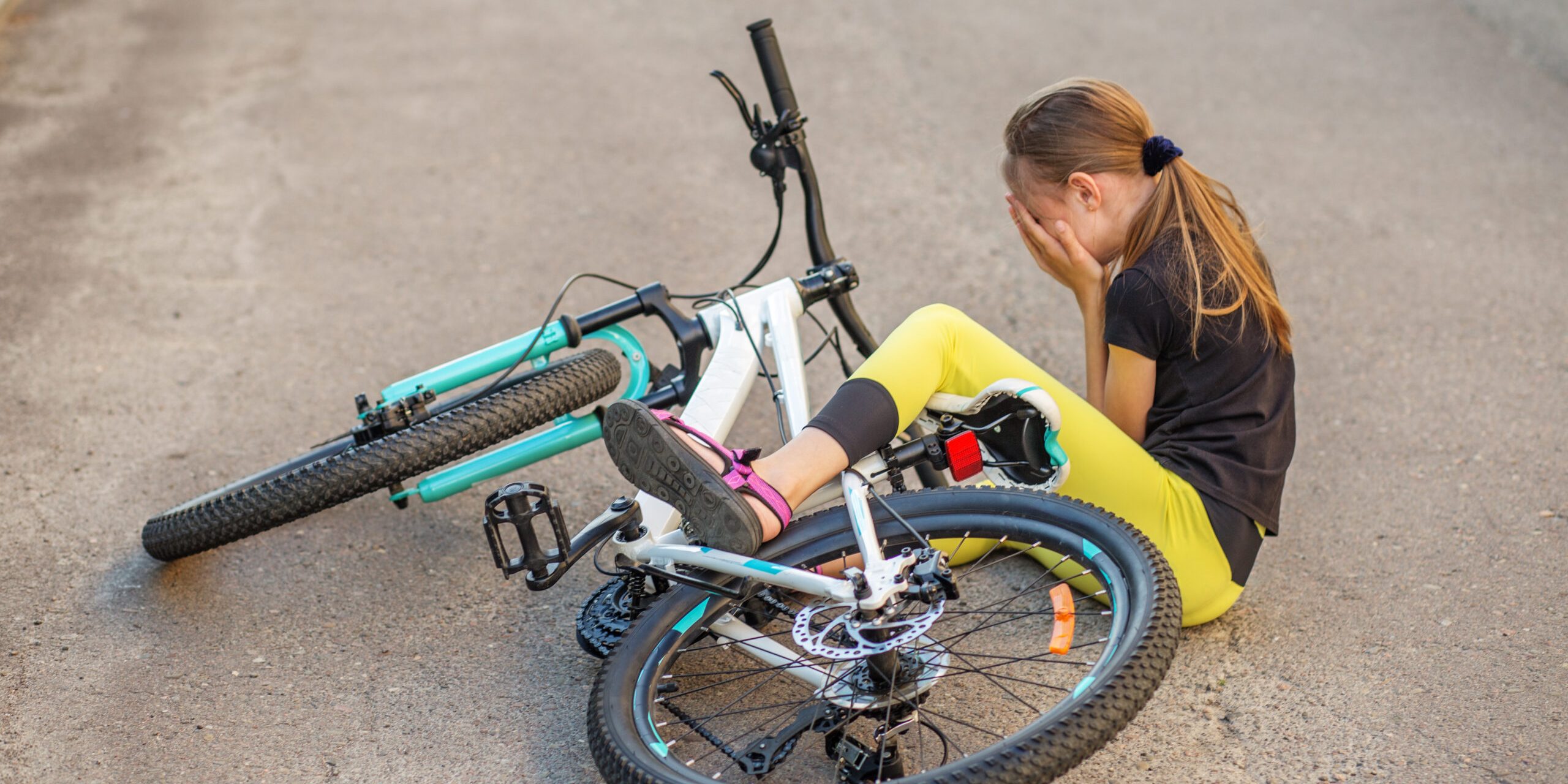
Recent increases in e-bike crashes in New Jersey and Pennsylvania, especially among children and teens, are prompting calls for greater regulation.
In the summer of 2025, a teenager suffered fatal injuries in Somers Point, New Jersey after an e-bike collision. Less than a month later, a child in Westfield required hospital care for injuries suffered in an e-bike crash.
Bicycle accident rates nationwide are already disproportionately high, given the number of bicyclists on the road. Bicyclists are also more likely to suffer catastrophic or fatal injuries in a crash, compared to vehicle occupants. Between 2016 and 2020, 5,869 children and teens in New Jersey were involved in a bicycle or pedestrian collision, resulting in 48 deaths.
The share of bicycle crashes involving e-bikes is increasing in both New Jersey and Pennsylvania.
The Risks of Riding an E-Bike
Those advocating for e-bike regulation in Pennsylvania and New Jersey note that e-bikes combine the dangers of a bicycle and a motorcycle.
Like conventional bicycles, e-bikes are small relative to other traffic. Their size can make them harder for motorists to spot, especially when motorists are not paying close attention to the road. Like motorcycles, e-bikes can move quickly – but they can also be challenging to handle on uneven pavement, in bad weather, or in emergencies where skilled riding is required to prevent a collision.
E-bikes are often classified according to a three-class system:
- Class 1 e-bikes use a motor to assist the rider in pedaling. To engage the motor, the rider must pedal. These bikes can typically go no faster than 20 miles per hour.
- Class 2 e-bikes have a throttle connected to the motor. A rider can use the throttle or the pedals to engage the motor. Like Class 1 e-bikes, Class 2 e-bikes typically have a top speed of 20 miles per hour.
- Class 3 e-bikes can reach a maximum speed of 28 miles per hour – faster than the speed limit on most neighborhood residential roads. Some Class 3 models come with a throttle, while others offer only pedal assist.
New Jersey has adopted the three-class e-bike system into state law. Class 1 and Class 2 e-bikes are treated like conventional bicycles, without special license requirements. Class 3 e-bikes are treated as “motorized bicycles,” which have requirements for the rider’s age, license status, helmet use, and bicycle registration.
Pennsylvania has not yet adopted the three-class system. Instead, the state classifies e-bikes with conventional bicycles if they have a motor under 750w, can reach a top speed limited to 20 mph or less, and weigh 100 pounds or less.
What to Do If You’re Injured in an E-Bike or Bicycle Crash
Both conventional bicycles and e-bikes have the right to use public roads in New Jersey and Pennsylvania as long as their riders follow road rules. However, riding can be challenging. Many drivers fail to share the road appropriately with bicycles or to pay sufficient attention to avoid a crash.
After a collision:
- Get medical attention right away. Call 911 in an emergency or go to a hospital, urgent care center, or doctor’s office.
- At the scene, gather any information you can. Take photos, record video, and speak to witnesses. Making a voice note or writing down what you remember can help you piece together the events later.
- Save all the documentation related to your crash and resulting injuries. Paperwork might include notes from your doctor’s office, medical and other bills, police reports, and letters from work or school if you need to take time off to recover.
- File an insurance claim as soon as you can. An attorney can help you navigate this process.
The experienced New Jersey and Pennsylvania personal injury lawyers at Petrillo & Goldberg can help after a serious bicycle crash. Contact us today to learn more.