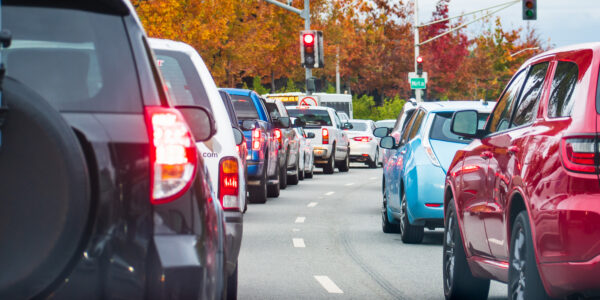
Traffic Around South Jersey Schools Increases Crash Risk
Most South Jersey families are familiar with “No-School November.” This time of year brings the NJEA Teacher’s Convention, half days, conference weeks, and holiday breaks that change traffic patterns.
During Thanksgiving sports weekends, including the Cinnaminson soccer tournament, with tight parking and heavy foot traffic, the result is crowded corridors, distracted drivers, and dusk conditions that increase the risk of a collision.
New Jersey’s fatal-crash data shows November is consistently high. Over the last five years, the State Police recorded November fatality totals of 63 (2019), 71 (2020), 57 (2021), 60 (2022), and 60 (2023). If you suffer injuries in a car accident around this time of year, you should contact an experienced South Jersey car accident attorney.
How “No-School November” Changes School-Area Traffic
November’s shorter school days crowd the roads later in the afternoon. You’ll see parents juggling work and pickups, delivery trucks cutting through neighborhoods, and teen drivers entering the same tight corridors while kids wait at bus stops. Build in extra time, expect bus delays, and roll through crosswalks, pickup lanes, and turn pockets with patience. Those habits reduce crash risk and make it easier to document details if someone hits you.
Thanksgiving Tournaments And Parking Pressure
Thanksgiving tournaments run all weekend, and traffic stays heavy from the first game to the last. Lots fill early, overflow pushes parents onto side streets, and many cars get boxed in on the grassy fields. You are lugging gear, coolers, and chairs while keeping younger siblings close, and that means longer walks across access drives with tight sightlines. Arrive early, park where you can pull forward to exit, choose the perimeter instead of the middle rows, and stick to marked walkways. Keep kids close at crossings and avoid weaving between tall SUVs. These simple moves cut risk and make it easier to document what happened if a driver reverses into a lane or turns across your path.
Where Collisions Tend To Happen In November
Patterns repeat during this month, so use the following list to shape safer choices and to know what to record if a crash occurs. Each point highlights a common location and a practical action that helps both safety and proof.
School Corridors and Bus Stops
Staggered release times, substitute routes, and mid-block crossings create sudden stops and unpredictable turns, so slow earlier and keep a larger gap. You improve safety by treating flashing reds and crosswalks as absolute stop points and by giving buses generous space.
Tournament Venues and Overflow Areas
Drivers circle for spaces, pedestrians dart between vehicles, and tall SUVs block views, so avoid fast cut-throughs and signal every move. You gain visibility by parking on the perimeter and choosing exits with traffic control rather than squeezing between stopped cars.
Leaf-Covered or Poorly Drained Streets
Wet piles hide potholes, erase lane markings, and cut traction, so treat leaf mats like standing water and brake earlier. You strengthen any future claim by photographing blocked grates, submerged paint, and pooled water because those images capture the condition as it existed.
These hotspots do not cover every situation, yet they capture the month’s most frequent trouble areas and give you specific steps that help on the road and later on paper.
Who May Be Responsible After a School-Area Crash
Accountability ties to choices and upkeep, so identify every role while the evidence is fresh. A speeding driver who fails to yield at a crosswalk, a retailer that ignores a dark lot light, or a municipality that lets a signal malfunction can each contribute to the same collision. Commercial employers may share responsibility when a delivery driver acts within the scope of work, and contractors may be involved if a work zone lacks proper traffic control. Naming every responsible party early preserves leverage and protects your recovery.
Immediate Steps After a November Collision Near a School or Tournament
A short plan keeps you steady and protects your rights. Review this checklist now, keep it in your glove box, and follow it if needed so key facts do not slip away.
- Call 911 and get medical care: Adrenaline masks pain, so accept transport or visit urgent care the same day. You support your claim and your health by following discharge instructions and keeping every follow-up.
- Photograph the scene and hazards: Capture leaf piles, pooled water, blocked drains, worn paint, faulty lights, bus stops, tournament signage, and vehicle resting positions. You create persuasive proof by taking wide shots for context and close-ups that show tread, slope, and lighting.
- Collect witness information: Parents, coaches, crossing guards, bus drivers, and nearby employees often see the key moments. You preserve those accounts by writing names, numbers, and a brief note on what each person observed.
- Save device and vehicle data: Dashcams, phones, and modern vehicles store location and speed information that can corroborate your account. You secure that evidence by backing it up immediately and avoiding edits that alter timestamps.
These actions cannot undo the event, yet they anchor your claim in real-time facts that insurers and courts respect.
Evidence That Strengthens School-Season Injury Claims
November conditions change overnight, so quick preservation matters. Traffic-signal logs, school entrance cameras, retail lot footage along pickup routes, and municipal service records for drainage or sign maintenance often align into a clear timeline. Weather data for sun angle, precipitation, and temperature helps explain glare, black ice, or wet leaves, and photo metadata ties those conditions to time and place. Early legal help ensures preservation letters reach schools, businesses, and agencies before systems overwrite recordings.
Practical Driving Habits For “No-School November”
Small habits reduce collisions and create clearer facts if one occurs. Choose two or three to implement today, and share them with teen drivers who use these corridors.
- Add ten minutes to every school or tournament trip: Extra time prevents rushed decisions and allows safer gaps. You also arrive calmer, which improves choices in crowded lots.
- Turn on headlights earlier in the afternoon: Better visibility helps other drivers and pedestrians see you at a distance. You also improve video quality for potential evidence.
- Keep reflective vests and two foldable cones in the trunk: Simple gear protects you at dusk near bus stops or fields. You also make the scene safer while waiting for help.
No single habit eliminates risk, but these small changes cut exposure and leave a stronger record if a driver hits you.
Talk To A South Jersey Firm That Knows These Roads
When a driver’s choices, poor maintenance, or inadequate traffic control cause injury during “No-School November,” you deserve focused help and timely action. For guidance tailored to a collision near a school corridor or at a Thanksgiving tournament, call Petrillo & Goldberg Law at 856-249-9288 to schedule a consultation and learn how we can help you pursue meaningful compensation.